Supplying the Worlds Biggest Brands since 1989

Excellence Awards Winner
Best Rack Server
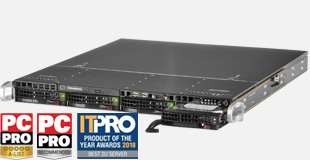
Broadberry are proud to have beat HPE, Dell, EMC and Lenovo to be crowned Best Rack Server in the prestigious Technology Excellence Awards.
Massive Discounts Available on
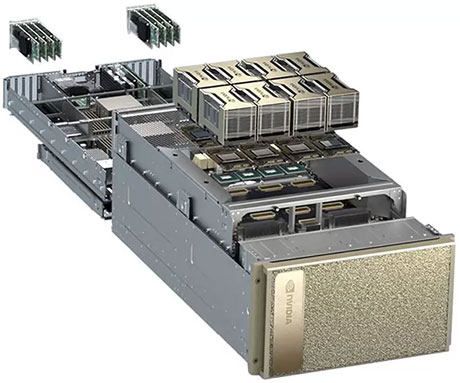
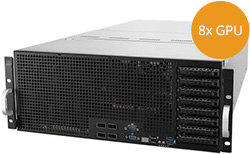
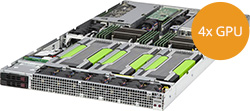
NVIDIA Tesla GPU Servers
As a Preferred Solution Provider, Broadberry have teamed up with NVIDIA to offer Educational & Research customers savings of up to £15,000 off each server
View GPU Servers Explore Educational DiscountsExtreme Computing Power, High Memory Capacity and
VMware Certified Servers
Configurable with over 3 terabytes of RAM and with up to 36 processor cores, our purpose-built virtualisation servers have been tested and certified for VMware ESXI
Find out moreBest Storage Appliance
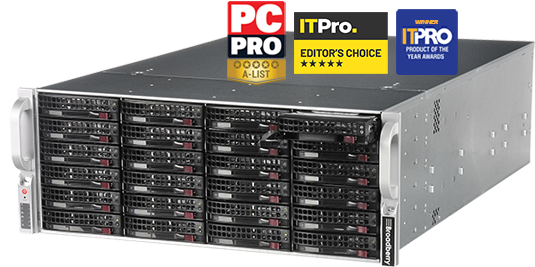
CyberStore 224S-WSS®
PC PRO's Storage Appliance of Choice, the CyberStore 224S-WSS is a multi-award winning storage appliance.
Configure Now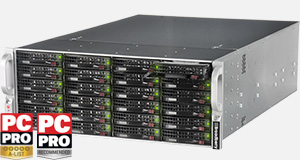




 Our Rigorous Testing
 Un-Equaled Flexibility


 Call Our UK Sales Team Now